Young, Ambitious, and Unprotected: The Hidden Pressures Facing Britain's Teen Models
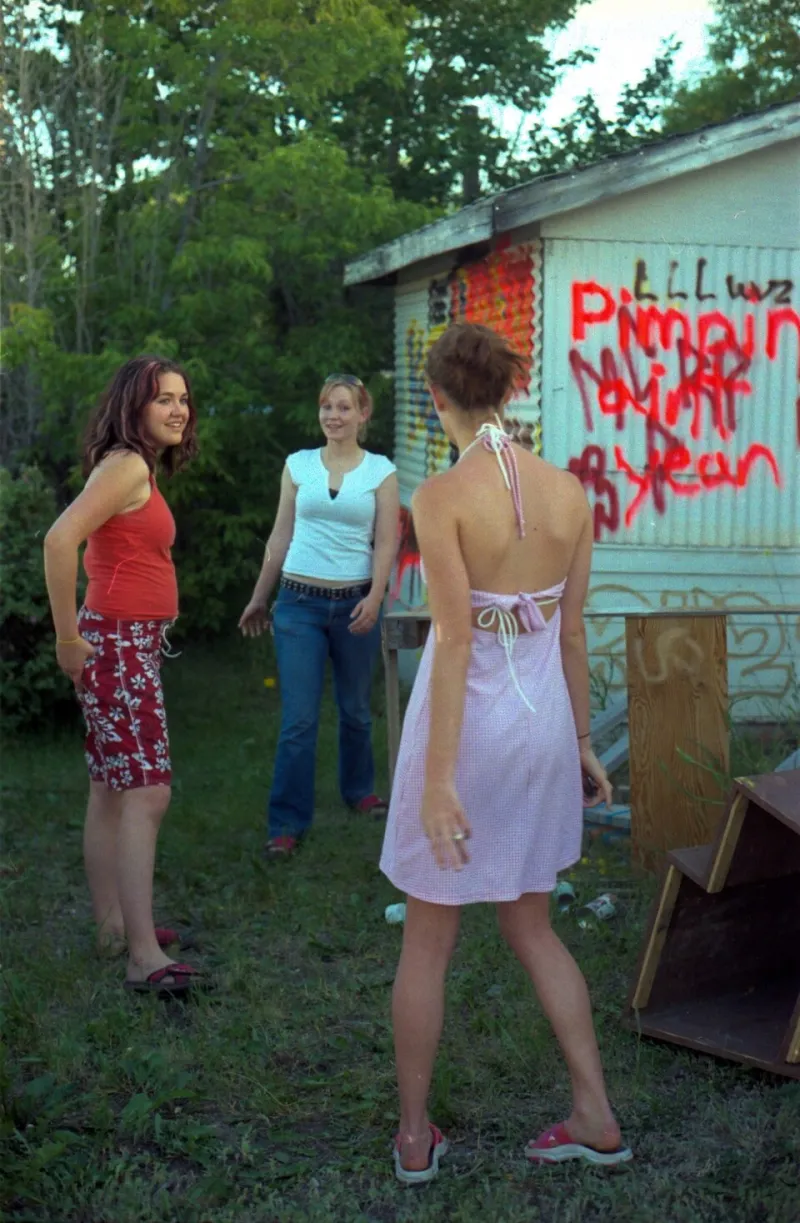
Photo: PatInver, CC BY-SA 4.0, via Wikimedia Commons
Sophia is sixteen. On Monday mornings she's in a school uniform, cramming for her GCSEs in a South London comprehensive. By Thursday afternoon, she might be in a studio in Shoreditch, posing for a fast-fashion brand's autumn lookbook. Her mum drives her. Her dad handles the emails. Neither of them fully understood what they were signing when they submitted her first agency application.
"We just thought it was exciting," her mum, Denise, tells us. "We didn't know there were fees upfront, or that some of the contracts meant they owned her images for years. We were completely in the dark."
Sophia's story isn't unusual. Across Britain, thousands of teenagers are stepping into an industry that promises glamour, opportunity, and a sense of belonging — often without the structural protections that should come as standard. For an industry that talks endlessly about change, the treatment of its youngest hopefuls remains one of fashion's most uncomfortable blind spots.
The Pull Is Real — and So Is the Risk
Let's not pretend the appeal isn't genuine. Modelling offers young people something schools rarely do: visibility, creative expression, and the intoxicating possibility that their face or body might mean something in a world that often makes teenagers feel invisible. For kids from underrepresented backgrounds — those who've grown up never seeing themselves on billboards or in catalogues — that pull can be even more powerful.
But the gap between the dream and the reality is where things get messy.
In England and Wales, children under school leaving age (sixteen) who work in the entertainment and modelling industries require a performance licence issued by their local authority. In theory, this means employers must demonstrate that the work won't interfere with education or harm the child's welfare. In practice, enforcement is patchy at best. Many agencies and brands simply don't apply for them. Many parents don't know to ask.
"The licensing system is outdated and inconsistently applied," says Dr. Karen Whitfield, a child welfare researcher at the University of Leeds. "Modelling falls into a grey area that isn't always treated with the same rigour as, say, a child appearing in a film or TV production. The oversight just isn't there."
Education vs. The Shoot Schedule
For teen models trying to stay in school while building a portfolio, the timetabling alone is a nightmare. Castings happen during school hours. Shoots run late. Travel to London from Manchester, Birmingham, or Edinburgh eats into revision time. Teachers may be unsympathetic. Parents are often left to mediate between agencies pushing for availability and schools pushing for attendance.
Jamie, seventeen, from Bristol, describes a period last year when he was missing two days of sixth form a fortnight for bookings. "My teachers thought I was skiving. My agency kept saying I needed to be more flexible if I wanted the good jobs. I was trying to keep everyone happy and I just felt completely overwhelmed."
The irony is that the brands booking Jamie almost certainly have corporate responsibility statements somewhere on their websites. Whether those statements extend to considering the educational welfare of the teenager in their campaign is another matter entirely.
At Modelling4All, we believe that ambition and education shouldn't be in competition. Any model, at any age, deserves to pursue their craft without sacrificing their future. The industry has a responsibility to schedule around young people's lives — not the other way around.
The Money Conversation Nobody's Having
Here's the thing about teen modelling that doesn't make it into the Instagram highlights: a lot of young people — and their families — spend more than they earn, at least initially.
Upfront fees for portfolios, composite cards, and agency registration are commonplace. Some agencies are legitimate and transparent. Others are not. The Children's Commissioner has previously flagged concerns about predatory modelling schools charging families hundreds or even thousands of pounds for training packages that deliver little in return.
"Families from lower-income backgrounds are disproportionately targeted," says Priya Mehta, a youth worker in East Manchester. "They see it as a pathway out, and some agencies absolutely exploit that hope. By the time families realise they've been misled, they're already out of pocket."
For young models who do start earning, the financial picture is complicated by tax. Minors can earn money, but it must be declared. Parents often become de facto business managers without any training for that role. The lack of accessible, plain-English guidance from HMRC specifically aimed at families of working young models is a genuine gap.
What Good Looks Like
It would be unfair to suggest the entire industry is predatory — it isn't. There are agencies doing genuinely good work. Some have implemented strict policies around school-hours availability, require parental supervision at all shoots, and provide model welfare contacts that young people can reach out to confidentially. A handful have partnered with youth charities to offer financial literacy sessions for families.
The British Fashion Council has made commitments around model welfare, and organisations like the Model Alliance have pushed for better standards globally. But voluntary codes of conduct only go so far when there's no consistent enforcement mechanism.
What's actually needed is clearer, modernised legislation specifically addressing minors in commercial modelling — not just performance. It's needed a requirement for agencies to demonstrate safeguarding training. It's needed brands to take responsibility for the welfare of every young person in their supply chain, not just those on their direct payroll.
The Voices That Matter Most
When we ask Sophia what she wishes had been different, she doesn't hesitate. "I wish someone had just explained everything before we signed anything. Not to put us off — just so we knew what we were walking into."
That clarity, that transparency, that basic respect for young people as intelligent humans capable of making informed choices when given the right information — that's not too much to ask. It's the bare minimum.
At Modelling4All, we're committed to making sure that every aspiring model, regardless of age, background, or where they're from, has access to honest information about how this industry works. Because representation without protection isn't progress. It's just a prettier version of the same old exploitation.
If you're a young person or parent navigating the modelling industry for the first time, our resources section includes a free guide to spotting red flags in agency contracts — and knowing your rights before you sign a single thing.